A solid and stable foundation is crucial for the safety and longevity of your home. The foundation supports the entire structure, ensuring that everything stays in place. If you notice any problems with your foundation, it’s essential to address them quickly as foundation repair may be necessary. Ignoring foundation issues can lead to severe and costly damage to your home. Cracks in walls, uneven floors, and doors that won’t close properly are just signs of a problem with your foundation. By calling in experts early, you can prevent further damage and save yourself time, money, and stress in the long run. In this blog, we will discuss the warning signs of foundation problems and why taking action sooner rather than later is essential.
Common Problem Signs That May Require Foundation Repair
Visible Cracks
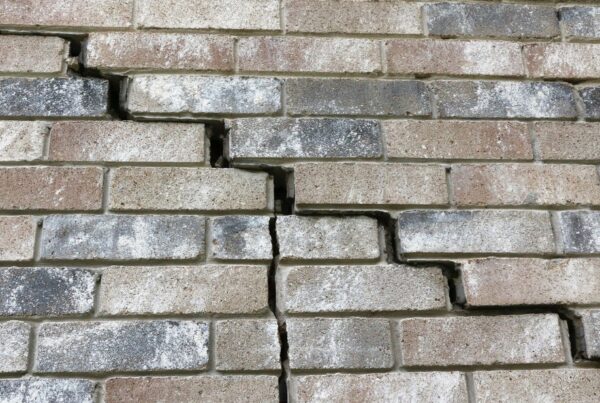
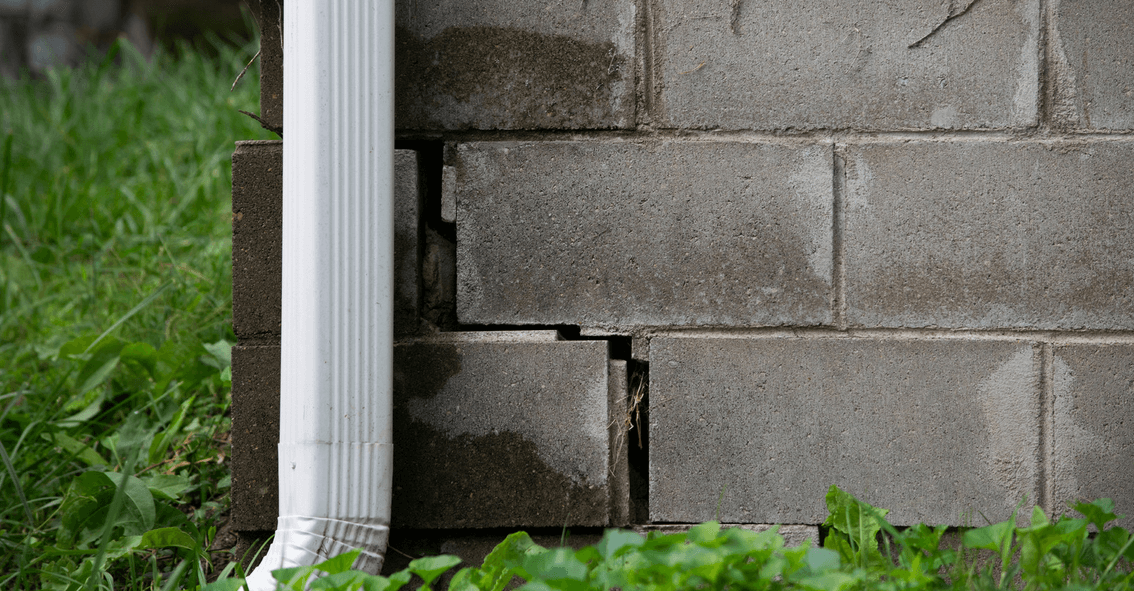
Horizontal and vertical cracks in walls, floors, and ceilings are common indicators of foundation issues. While minor cosmetic cracks are typically harmless and can result from natural settling, serious structural cracks often signal a problem with the foundation’s stability. Horizontal cracks are usually more concerning than vertical ones, as they can indicate significant pressure against the walls. If you observe any large or widening cracks, it’s essential to consult a professional to determine if they are symptomatic of deeper foundational issues.
Uneven or Sagging Floors
Uneven or sagging floors can be another sign that you may need foundation repair. Floors that slope or have noticeable dips and high points may indicate that the foundation is shifting or settling unevenly. Common causes include soil erosion, poor construction, or water damage. To identify sagging areas, use a level or simply observe if objects on the floor tend to roll in a particular direction. Addressing these issues early can help maintain the structural integrity of your home.
Sticking Doors and Windows
Foundation shifts can significantly impact door and window frames, causing them to stick or become difficult to open and close. As the foundation settles or moves, it can distort the frames, leading to misalignment. This problem is often more noticeable in older homes, where settling has occurred over a more extended period. Besides being inconvenient, sticking doors and windows may indicate more severe underlying foundation problems that need professional evaluation from a foundation repair expert.
Gaps Around Exterior Doors and Windows
Gaps around exterior doors and windows are often a sign of foundation movement. As the foundation settles, the walls can shift, creating gaps between the frames and the surrounding structure. These gaps can lead to drafts, increased energy costs, and potential entry points for pests. More importantly, they signal that the foundation may no longer provide adequate support, necessitating an expert’s inspection and potential repairs.
Basement Water Intrusion
Signs of moisture in the basement, such as damp walls, water stains, or even standing water, can be directly related to the integrity of your foundation. Water intrusion often occurs when cracks or weaknesses in the foundation allow moisture to seep in. This compromises the foundation’s strength and can lead to mould growth and other health hazards. Ensuring proper drainage and addressing any signs of water intrusion promptly can help preserve the foundation’s stability and your home’s overall safety.
Causes of Foundation Problems
Soil Movement
One of the primary causes of foundation problems is soil movement. The expansion and contraction of soil due to varying moisture levels can place immense pressure on the foundation. During wet conditions, clay soil expands, causing the foundation to heave upward. Conversely, soil contracts in dry conditions, resulting in foundation settlement. This continuous cycle of shifting soil can lead to cracks and other structural issues. Proper drainage and soil management are crucial in minimizing the impact of soil movement on your foundation.
Poor Construction
Substandard building practices can significantly affect the stability and longevity of your foundation. Poor construction practices, such as inadequate soil compaction before laying the foundation, using inferior materials, or insufficiently reinforcing the concrete, can make your foundation more susceptible to issues. These flaws may not be immediately apparent but can result in long-term structural problems. Ensuring your home is built by reputable contractors who adhere to industry standards is essential for foundational integrity.
Plumbing Leaks
Water from plumbing leaks can gradually erode soil around the foundation, leading to significant weakening. Undetected leaks in pipes within or beneath the foundation can create voids where the soil washes away, causing sections of the foundation to settle or crack. Even small leaks can have a compounding effect over time, making it critical to address any plumbing issues promptly. Regularly inspecting and maintaining your plumbing system can help prevent these water-related foundation problems.
Tree Roots
The presence of large trees near your home can lead to foundation issues due to the growth of their roots. As tree roots extend in search of moisture, they can grow under or near the foundation, exerting pressure against it. In addition, roots can draw moisture from the soil, exacerbating the effects of soil contraction during dry conditions. This can result in uneven settling and cracks in the foundation. To mitigate the risk, it is advisable to plant trees at a safe distance from the foundation and regularly inspect the growth and health of nearby trees.
Assessing the Severity of Issues and Necessity of Foundation Repair
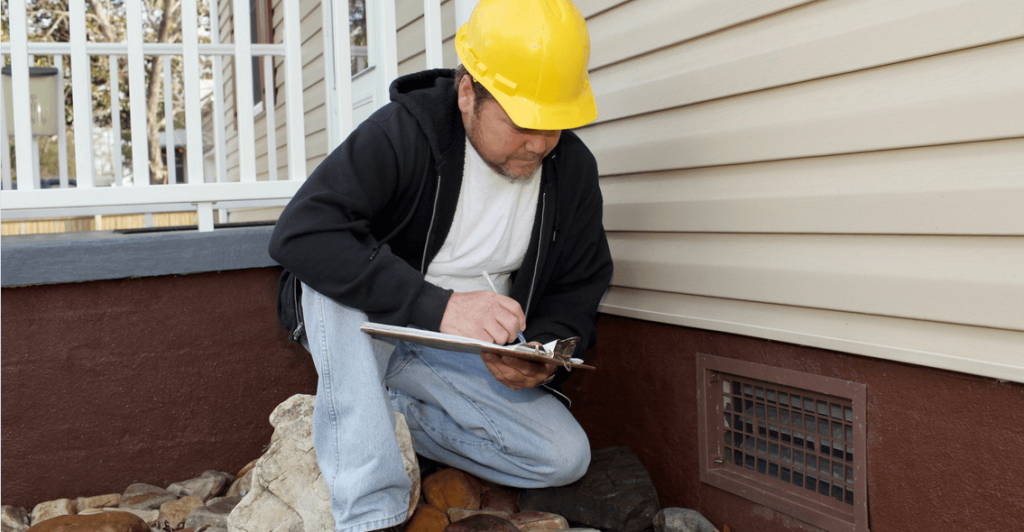
DIY Inspection Tips
- Check for Visible Cracks: Regularly inspect walls, floors, and ceilings for any new or expanding cracks. Pay special attention to horizontal cracks, which can indicate serious pressure issues.
- Monitor Doors and Windows: Track any changes in how your doors and windows function. If they start to stick or become difficult to open and close, this could be a sign of foundation movement.
- Use a Level: Place a level on the floor to detect any sloping or sagging areas. Even small dips can indicate underlying foundation problems.
- Inspect Exterior Gaps: Look for gaps around exterior doors and windows, as these can signify that the foundation is shifting and the walls are moving.
- Basement Moisture Check: Look for any signs of moisture in the basement, such as damp spots, water stains, or puddles. These could indicate cracks or weaknesses in the foundation.
- Observe Soil and Landscaping: Note any changes in the soil around your home. Pools of water or overly dry soil can impact foundation stability.
- Look for Uneven Floors: Walk through your home and feel for any uneven areas. If objects roll in a particular direction, it could signify sagging floors.
- Examine the Foundation’s Exterior: Walk around the exterior of your home and look for any signs of foundation cracks or bulging.
When to Call a Professional
While DIY inspections can help you spot early signs of foundation issues, specific indicators suggest a need for expert evaluation. If you observe large or widening cracks, significant sloping or sagging of floors, or severe misalignment of doors and windows, it’s time to contact a professional. Persistent moisture problems in the basement or water intrusion despite addressing drainage concerns are also red flags. Consulting a structural engineer or foundation specialist is crucial if you notice these severe symptoms, as they can conduct a thorough assessment and recommend appropriate repairs. Ignoring these signs can lead to more extensive damage, higher repair costs, and potential safety hazards for your home.
The Importance of Timely Foundation Repair
Preventing Further Damage
Addressing foundation issues early can prevent more extensive and costly repairs in the future. Small cracks or minor settling may seem insignificant, but they can quickly escalate into significant structural problems if left unattended. Moisture intrusion, soil erosion, and continued settling can compound the damage, making repairs more complex and expensive. By taking prompt action, you can mitigate these risks, preserve the integrity of your foundation, and avoid the financial burden of more extensive restoration work.
Maintaining Property Value
A strong foundation is critical to maintaining property value. Homes with evident foundation issues often lose value due to the perceived risk and the anticipated cost of repairs. Potential buyers may be wary of purchasing a property with structural concerns, leading to prolonged time on the market and lower offers. Timely maintenance can protect your investment by ensuring your home remains in good condition and retains its market value. Addressing foundation problems also demonstrates proactive maintenance, which can be a selling point when listing your home.
Ensuring Safety
A stable foundation is essential for your home’s and its occupants’ safety. Structural weaknesses can compromise the overall integrity of the building, posing risks such as collapsing walls, uneven floors, and even roof failure. These hazards can lead to severe injuries or worse. Ensuring foundation issues are repaired promptly is essential for maintaining a safe living environment. Regular inspections and timely repairs are vital in safeguarding your home and providing peace of mind to all residing there.
Types of Foundation Repair Solutions
Piering and Underpinning
Piering and underpinning are essential techniques for stabilizing and lifting shifted or settled foundations. These methods involve driving steel piers into stable soil below the foundation or using underpinning brackets to support and lift the foundation back to its original position. This process transfers the structure’s weight from unstable soil to more reliable strata, ensuring long-term stability. Piering is often preferred for deep foundation issues, while underpinning is suitable for shallow and deep foundations. Hydraulic jacks allow for precise adjustments, reducing the risk of further damage during the repair process.
Slabjacking
Slabjacking, mudjacking or concrete levelling is used to lift sunken concrete slabs back to their original level. This process involves drilling small holes into the affected slab and injecting a slurry mixture of cement, sand, and other additives under high pressure. The injected material fills the voids beneath the slab, raising it and providing a stable base. Slabjacking is commonly used for driveways, sidewalks, patios, and garage floors. It is a cost-effective and quick solution that minimizes disruption to the surrounding area, making it ideal for addressing minor to moderate settlement issues.
Waterproofing Solutions
Waterproofing solutions prevent water intrusion and moisture-related problems that can compromise foundation integrity. Various methods exist to waterproof a foundation, including exterior and interior approaches. Exterior waterproofing typically involves applying a waterproof membrane or coating to the foundation walls, installing drainage systems, and ensuring proper grading around the home. Interior waterproofing might affect the installation of sump pumps, vapour barriers, and sealants. By controlling water entry and managing moisture levels, waterproofing solutions help to protect the foundation from erosion, cracking, and other damage caused by excess water.
Sealing Cracks
Sealing cracks is fundamental to maintaining structural integrity and preventing further damage to the foundation. Crack injection methods involve injecting epoxy or polyurethane foam into the cracks to seal them from the inside. The choice of material depends on the crack size, type, and function. Epoxy injections are suitable for structural repairs, providing strong adhesive properties that bond cracked surfaces. Polyurethane foam injections are more flexible and ideal for stopping water leaks. Regular sealing and monitoring of cracks can significantly extend the life of a foundation, preventing minor issues from developing into significant structural problems.
Choosing the Right Foundation Repair Expert
Selecting the right foundation repair expert is crucial for ensuring the longevity and stability of your home. Begin by researching local specialists with a strong reputation and extensive experience in foundation repair. It’s also advisable to read customer reviews to gauge past performance and customer satisfaction. Obtain multiple quotes and compare the proposed solutions, not just the costs, to make an informed decision.
Conclusion
Recognizing and addressing foundation problems early is paramount to maintaining your home’s safety, value, and longevity. As we’ve discussed, even minor issues like small cracks or slight settling can quickly escalate into major structural concerns if left unattended. By taking prompt action at the first sign of foundation trouble, homeowners can prevent the more extensive and costly repairs that come with advanced damage. Timely interventions mitigate risks and preserve the foundation’s integrity, ensuring your home remains safe and stable.
Homeowners should be vigilant for any warning signs of foundation issues, such as cracks in walls, uneven floors, or doors and windows that stick. If you notice any of these indicators, it’s crucial to consult a professional foundation repair expert. Professional services offer a thorough assessment and a range of reliable solutions tailored to your specific needs. Engaging with experienced specialists ensures that the repairs are conducted accurately, with long-lasting results that protect your investment.
The benefits of professional foundation repair services are manifold. They provide peace of mind, enhance the structural stability of your home, and help maintain its market value. Preventative maintenance and timely repairs are essential practices that every homeowner should embrace. Taking action now can save considerable time, stress, and money in the long run, safeguarding your home for years to come.
Notice signs of foundation issues? Don’t wait! Ensure the stability and safety of your home with GPS’s expert foundation repair services. Contact us today for a personalized quote. Visit our Contact Page to get started!